Home Everyday Science The Ultimate Guide to Facial Toners: Benefits, Best Picks & Skin Types

The Ultimate Guide to Facial Toners: Benefits, Best Picks & Skin Types

Four clear bottles of facial toner labeled Hydrating, Glycolic Acid, Rice, and Alcohol-Free, displayed on a marble countertop next to fresh aloe vera leaves and orange calendula flowers.

Table of Contents

Introduction

Facial toners are no longer the harsh, alcohol-heavy liquids we remember from the past. Today’s facial toner formulas are sophisticated skincare solutions designed to hydrate, balance, treat, and protect your skin. Whether you’re using a hydrating toner, acne toner, or a cult favorite like The Ordinary Glycolic Acid Toner, choosing the right toner can completely transform your skincare routine.

Let’s explore what toner is, what does toner do for your face, and how to find the best toner for your skin type.

What Is Toner? A Complete Beginner’s Explanation

A toner (also called a skin toner or face toner) is a water-based skincare product applied immediately after cleansing. It acts as a bridge between cleansing and moisturizing.
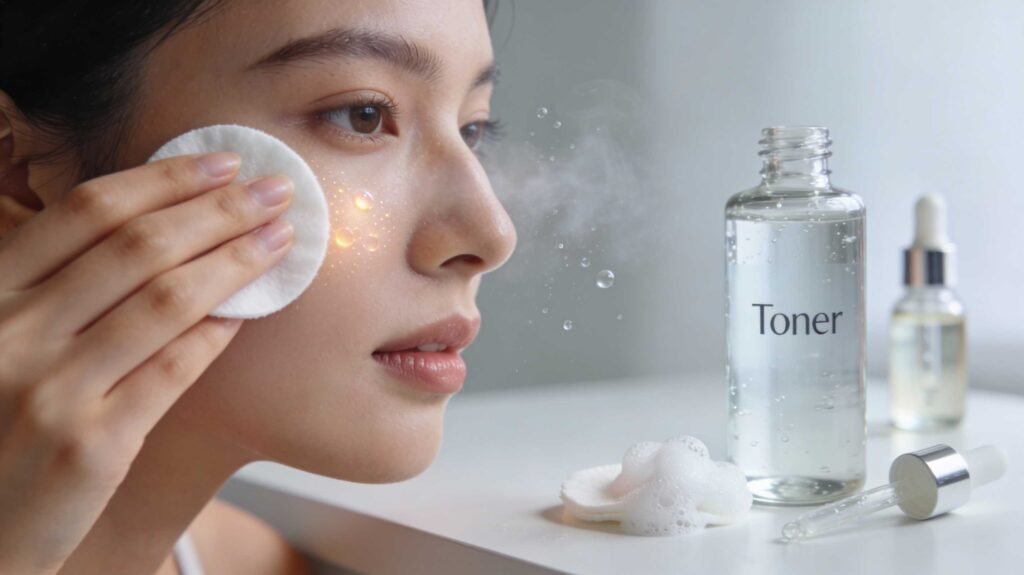
A woman applying a clear liquid toner to her cheek using a soft cotton round, with the bottle and a facial oil dropper in the blurred background.


What Is a Toner for Skin Care?

A toner: It’s the step that ensures everything you apply afterward works better.

  • Removes leftover cleanser, oil, and dirt
  • Rebalances your skin’s pH level
  • Prepares skin to absorb serums and moisturizers

What Does Toner Do for Your Face? (Real, Visible Benefits)

It balances, hydrates, treats, and preps—everything your skin needs post-cleansing. Here’s what a facial toner actually does:
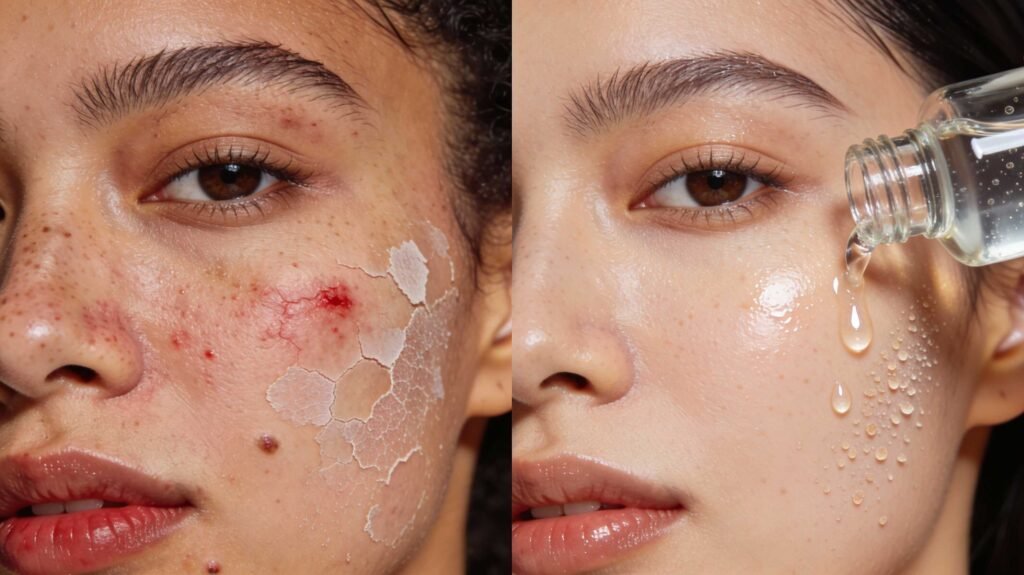
A split-screen comparison showing a face with active acne and dry patches on the left, and clear, glowing, hydrated skin on the right after toner application.

1. Restores Skin’s Natural pH

Cleansers can disrupt your skin’s pH. A toner restores balance, preventing dryness, irritation, and breakouts.

2. Provides Instant Hydration

Modern hydrating face toners deliver moisture using ingredients like hyaluronic acid and glycerin.

3. Refines Pores & Smooths Texture

Exfoliating toners remove dead skin cells, making pores appear smaller and skin smoother.

4. Targets Skin Concerns

From acne toner to best toner for aging skin, toners are now treatment-focused products.

Different Types of Facial Toners (Explained in Detail)
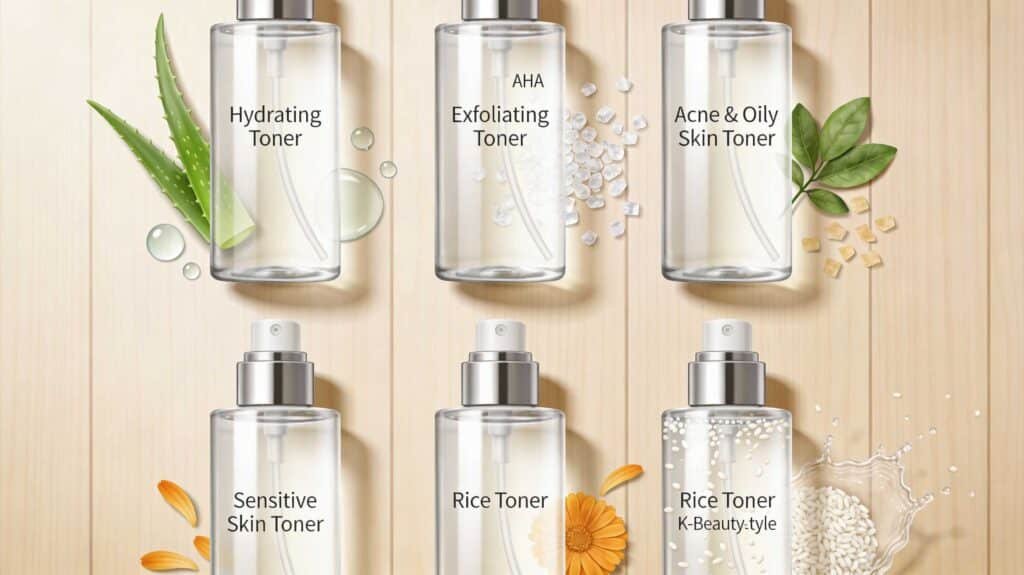
Six clear spray and pump bottles of toner organized on a wooden surface, categorized for Hydrating, Exfoliating (AHA), Acne & Oily Skin, Sensitive Skin, and Rice Toner (K-Beauty style).

1. Hydrating Toners

A hydrating toner focuses on moisture rather than exfoliation.

Key Ingredients

  • Hyaluronic acid
  • Glycerin
  • Aloe vera
  • Panthenol

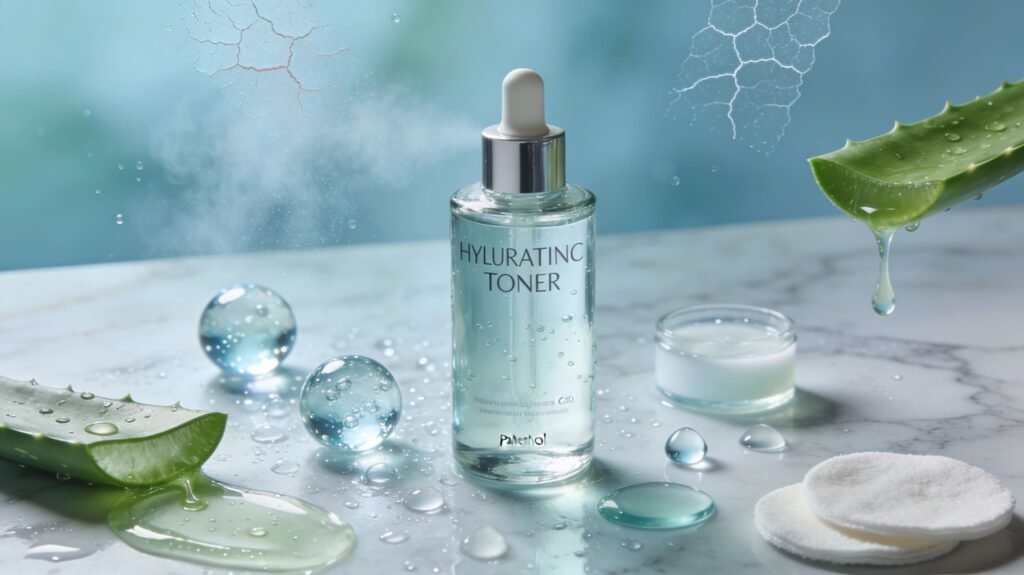
A high-angle, lifestyle product shot of a clear glass dropper bottle labeled "HYLURATING TONER" sitting on a white marble surface. The scene is surrounded by skincare ingredients including fresh aloe vera leaves with dripping sap, clear water droplets, and glass spheres. In the background, there are faint graphic overlays of cracked dry skin being "repaired" by a mist, suggesting deep hydration. The lighting is bright and airy with a soft blue aesthetic.

Best For

  • Best toner for dry skin
  • Hydrating toner for dry skin
  • Best hydrating toner

These toners soothe tightness, reduce flakiness, and improve skin elasticity.


2. Exfoliating Toners

Exfoliating toners contain chemical exfoliants like AHAs and BHAs.

Popular Examples

  • The Ordinary Glycolic Acid Toner
  • Lactic acid toners
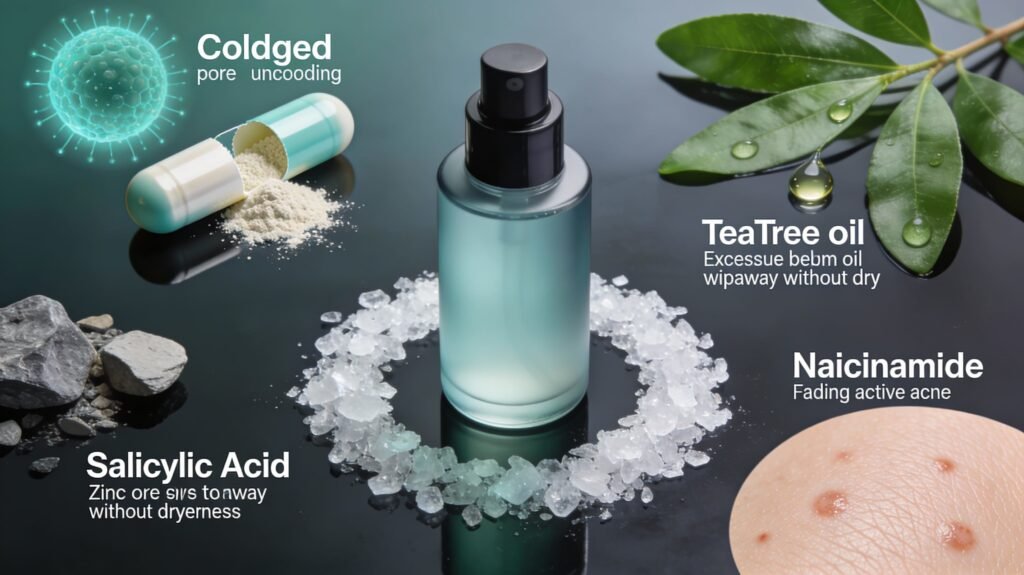
A dark, moody product shot featuring a frosted teal spray bottle centered in a ring of translucent crystals. Around the bottle are various active ingredients and labels: Tea Tree oil leaves, a capsule of white powder, and grey mineral stones. Text overlays include "Salicylic Acid," "Tea Tree oil," and "Naicinamide," with descriptions focusing on pore unclogging and fading active acne. A circular inset in the bottom right shows a close-up of skin with small blemishes to illustrate the product's target use.

Benefits

  • Removes dead skin cells
  • Brightens dull skin
  • Reduces acne and pigmentation

Ideal for:

  • Best toner for acne prone skin
  • Uneven texture
  • Oily skin

Use only 2–3 times a week.


3. Acne & Oily Skin Toners

Designed to control oil and prevent breakouts.

Key Ingredients

  • Salicylic acid
  • Niacinamide
  • Zinc
  • Tea tree oil
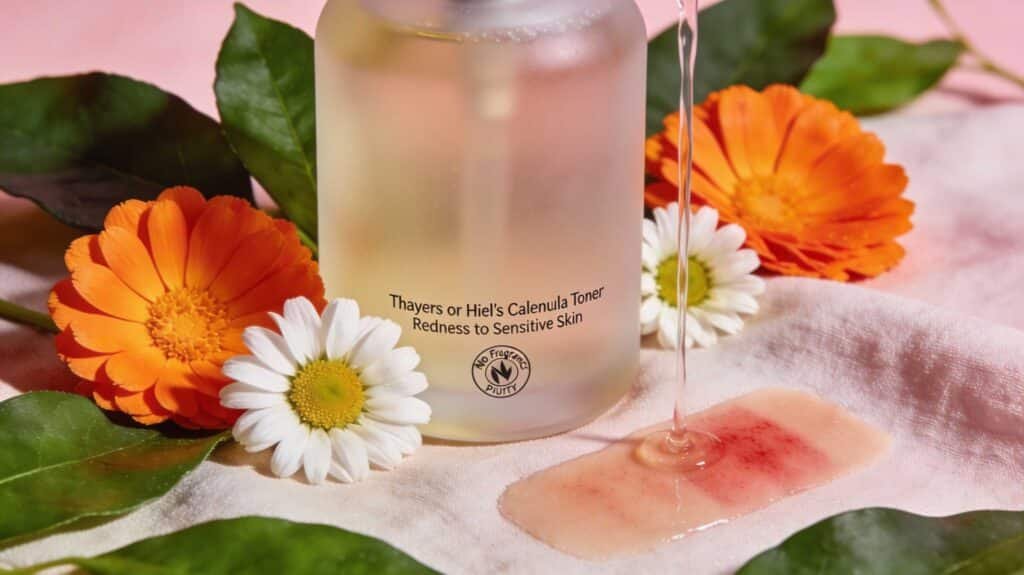
A frosted glass bottle of Calendula Toner surrounded by orange and white daisies, demonstrating a soothing liquid being poured to reduce redness in sensitive skin.

Best for:

  • Skin toner for oily skin
  • Best toner for oily skin
  • Active acne

These toners unclog pores and reduce excess sebum without over-drying.


4. Toners for Sensitive Skin

Sensitive skin requires gentle, soothing formulas.

What to Look For

  • Alcohol-free toner
  • Fragrance-free
  • Chamomile or calendula

A luxury bottle of Rice Toner standing on a pile of raw rice grains with a golden wheat field in the background, symbolizing brightening and hydration.

Top Picks

  • Thayers Facial Toner
  • Kiehl’s Calendula Toner

Best for:

  • Best toner for sensitive skin
  • Redness-prone skin

5. Rice Toners (K-Beauty Favorite)

Rice toner (sometimes misspelled as ricw toner) is rich in nutrients and ceramides.

Benefits

  • Deep hydration
  • Brightening effect
  • Strengthens skin barrier

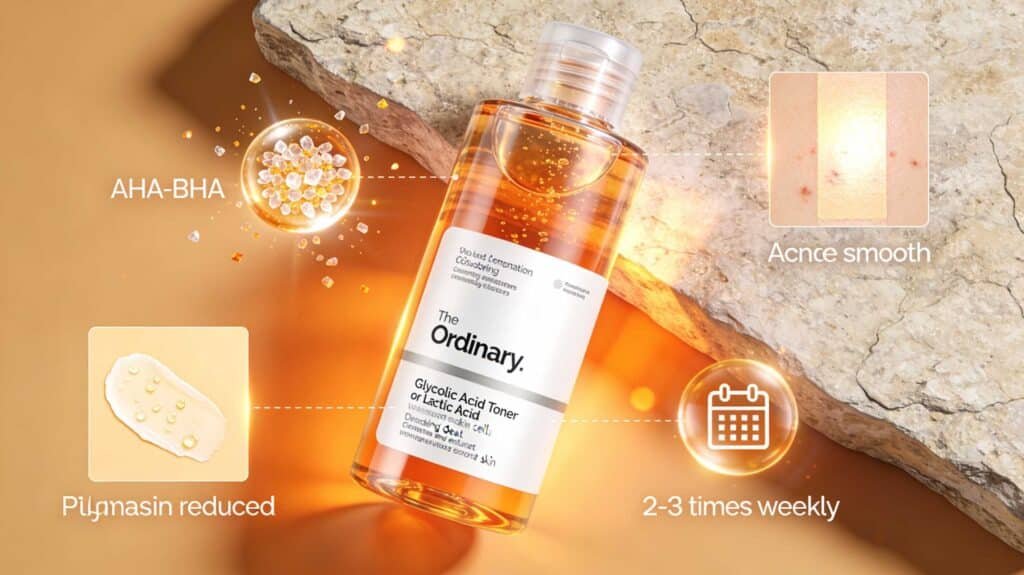
A close-up of The Ordinary Glycolic Acid Toner bottle on a rock surface with graphics showing "Pores reduced" and "Acne smooth," recommending use 2-3 times weekly.


Popular Choice

  • I’m From Rice Toner

✔ Ideal for:

  • Dry skin
  • Dull skin
  • Hydrating toners lovers

How to Choose the Best Toner for Your Skin Type
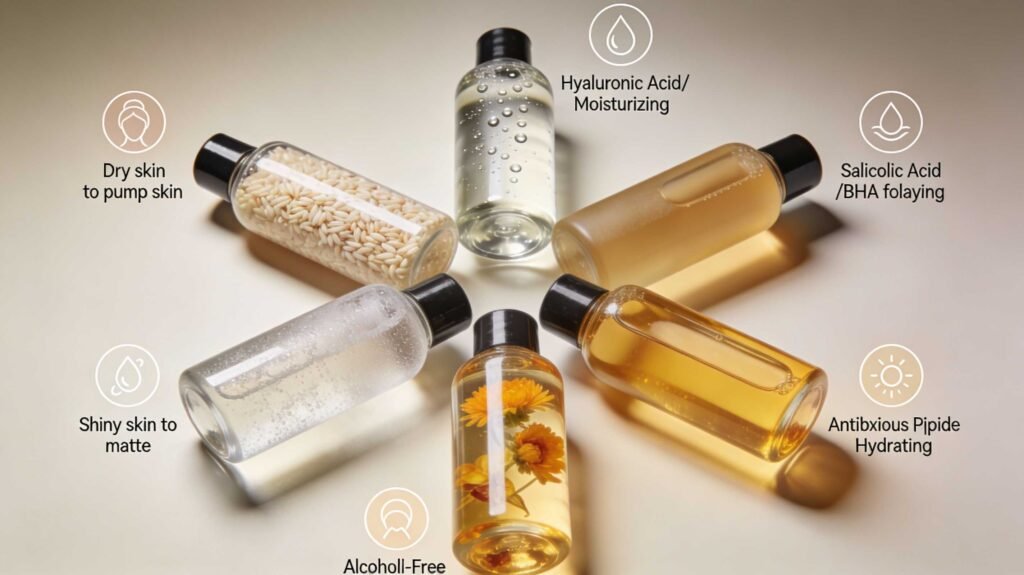
Six small toner bottles arranged in a circle, containing different ingredients like rice, calendula, and hyaluronic acid, with icons highlighting benefits like "Shiny skin to matte" and "Dry skin to plump."


Best Facial Toners by Skin Type

Skin TypeBest Toner Recommendations
Dry Skin– Rice toner
– Hyaluronic acid toner
– Moisturizing toner (see the generated image above)
Oily Skin– Salicylic acid toner
– Lightweight, oil-free formulas (see the generated image above)
Acne-Prone Skin– Glycolic acid toner
– BHA exfoliating toners (see the generated image above)
Sensitive Skin– Alcohol-free toner
– Calendula-based formulas (see the generated image above)
Aging Skin– Antioxidant-rich toners
– Peptides + hydrating face toner
Combination Skin– Balancing toner with mild hydration (see the generated image above)

Best Toners of 2025 (Top Facial Toners)

Here are some recommended face toner options dominating 2025:

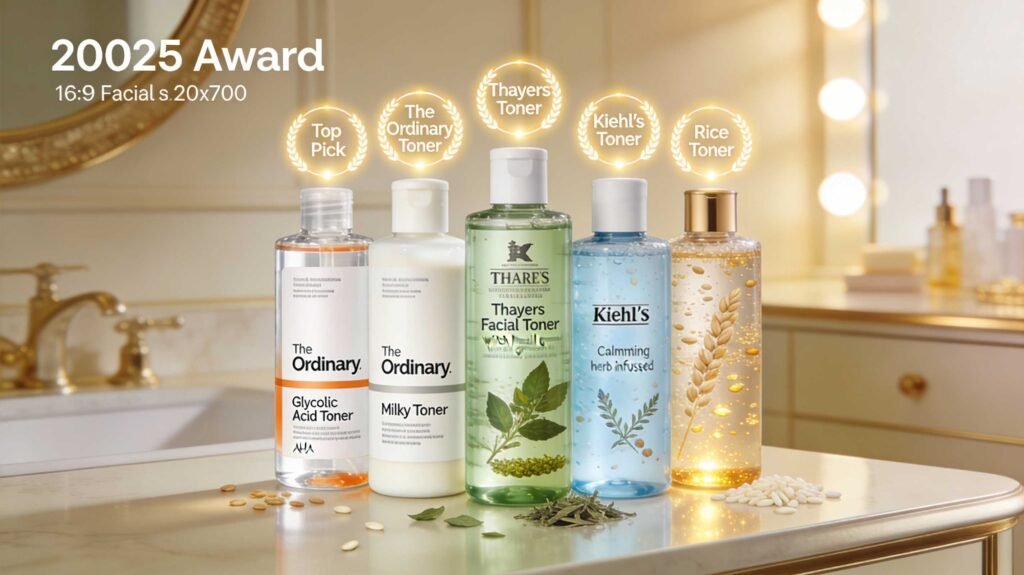
  • The Ordinary Glycolic Acid Toner – exfoliation
  • The Ordinary Milky Toner – barrier repair
  • Thayers Facial Toner – daily gentle care
  • Kiehl’s Toner – calming & soothing
  • Rice Toner – hydration & glow

A lineup of five top-rated facial toners including The Ordinary Glycolic Acid, The Ordinary Milky Toner, Thayers, Kiehl’s, and a Rice Toner, each featuring a glowing "2025 Award" seal above the bottle.

These are considered some of the best toners of 2025 across skin types.


How to Use Toner Correctly (Step-by-Step Guide)

How Do You Use Toner?

  1. Cleanse your face
  2. Apply toner using:
    • Cotton pad
    • Clean hands
    • Toner pad
  3. Gently pat into skin
  4. Follow with serum and moisturizer

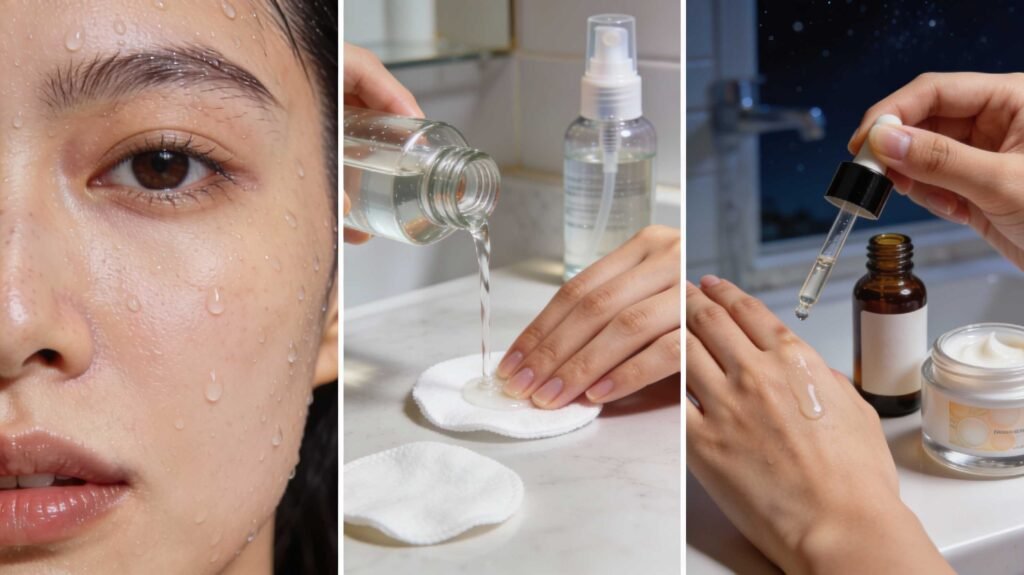
A three-part image showing a close-up of hydrated skin, toner being poured onto a cotton pad, and a hand applying a serum and cream to seal in moisture.

When to Use Toner

  • Morning and night
  • Always after cleansing

Bonus tip: Use toner as a face mist during the day for instant refreshment.


How to Apply Toner: Mistakes to Avoid

  • Using harsh alcohol-based toners
  • Overusing exfoliating toners
  • Skipping moisturizer afterward

Correct usage ensures maximum benefit without irritation.
A close-up of a person's face with large water droplets, demonstrating the intense hydration and "plumping" effect of a high-quality facial toner.

Conclusion

Facial toners are now one of the most important and effective parts of modern skin care. The right facial toner can make your skin look and feel a lot better, no matter what your problem is: dryness, acne, sensitivity, oiliness, or early signs of aging. You can make better, more effective choices about your skin care if you know what a toner is, what it does for your face, and how to use it correctly.

There is a best toner for every skin type, from deeply hydrating toners and alcohol-free toners to targeted treatments like glycolic acid toner, rice toner, and acne toners. A toner can do more than just get your skin ready. It can also improve hydration, balance oil, smooth out texture, and make every product that comes after it work better.

The main point is Price and trends don’t matter as much as consistency and making the right choice. Read the ingredient lists, pay attention to what your skin needs, and slowly add new toners. Using the right face toner every day will make your skin healthy, balanced, and glowing.

Frequently Asked Questions (FAQs)

This FAQ section is designed to provide quick and clear answers to the most common inquiries we receive. We encourage you to click on a question to find the information you need. If you can’t find an answer here, please don’t hesitate to visit our Contact Us page for further assistance.

What does toner do for your face ?

A facial toner helps balance your skin after cleansing. It removes leftover dirt and cleanser, restores your skin’s natural pH, hydrates the skin, and prepares it to absorb serums and moisturizers more effectively. Modern toners can also target concerns like acne, dryness, large pores, and dullness—making your skincare routine work better overall.

Toner skin refers to a skincare product applied after cleansing and before moisturizing. It is a lightweight liquid designed to refresh, hydrate, and rebalance the skin. Unlike old alcohol-based toners, today’s skin toners are gentle, nourishing, and often contain active ingredients like hyaluronic acid, glycolic acid, or botanical extracts to improve skin health.

To use toner correctly:

  1. Wash your face with a gentle cleanser
  2. Apply toner while your skin is slightly damp
  3. Follow with serum and moisturizer

Toner should be used twice daily—morning and night—unless it’s an exfoliating toner, which should be used only a few times per week.

There are three effective ways to apply toner:

  • With hands: Pour a few drops into your palms and gently pat into the skin
  • With a cotton pad: Swipe lightly across the face and neck
  • With a toner pad: Press gently onto the skin

Avoid rubbing harshly. Always let the toner absorb fully before applying the next skincare step.

Toner is not strictly mandatory, but it is highly recommended for healthier skin. A good toner improves hydration, enhances product absorption, balances oil production, and strengthens the skin barrier. If you want smoother texture, better hydration, and more effective skincare results, adding a toner to your routine makes a noticeable difference.

Having any queries? – Do reach us at info@scivoyage.com

Leave a Comment

Your email address will not be published. Required fields are marked *

Scroll to Top