Home Space Exploration List of ISRO Space Centers in India

List of ISRO Space Centers in India

ISRO Space Centers in India

Table of Contents

Introduction

Welcome to this detailed guide on the list of ISRO space centres in India, where we explore how each Indian centre contributes to crucial space research, rocket development, nuclear-powered applications, launch technology, and breakthrough scientific missions.

These centres showcase India’s first achievements in space and highlight the important milestones that strengthen the nation’s global presence in space exploration.

ISRO Space Centers in India: An Overview

The Indian Space Research Organisation (ISRO) is India’s premier space research body. It manages satellite development, rocket launch missions, nuclear-based scientific studies (non-weaponised), and technological innovations across multiple centres in India. These centres together support launch vehicles, satellites, human space flight, and diverse applications.

This article provides a complete list of ISRO space centers in India , their locations, and their important functions.

1. Vikram Sarabhai Space Centre (VSSC)

Located in Thiruvananthapuram, VSSC  is the first and most important ISRO centre for rocket and launch vehicle development. 
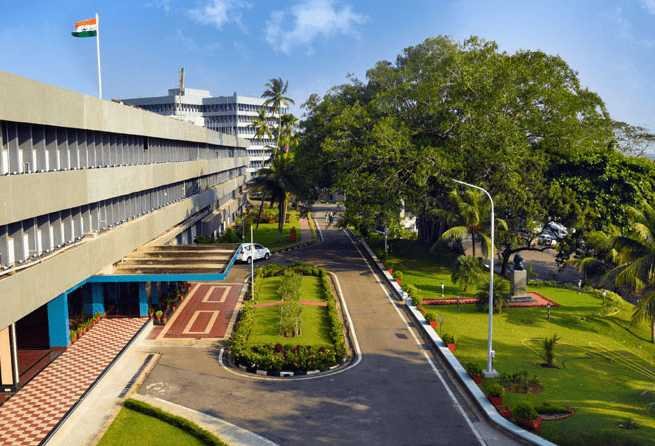
ISRO - Vikram Sarabhai Space Centre (VSSC)
Photo Credit : ISRO

It handles Polar Satellite Launch Vehicle (PSLV), Geosynchronous Satellite Launch Vehicle (GSLV) , sounding rockets, reusable launch vehicles, air-breathing propulsion, and technologies for human space flight

2. U R Rao Satellite Centre (URSC)

Situated in Bengaluru, URSC (previously ISAC) is India’s backbone for satellite research and development. It designs spacecraft for communication, meteorology, navigation, space science, and Earth observation applications.
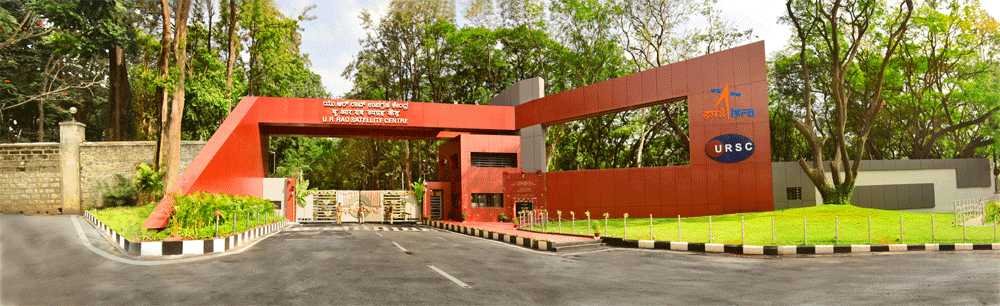
ISRO- U R Rao Satellite Centre (URSC)
Photo Credit : ISRO

URSC is housed with the state-of-the-art facilities for building satellites on end-to-end basis. ISRO Satellite Integration and Test Establishment (ISITE) is equipped with state-of-the-art clean room facilities for spacecraft integration . URSC includes advanced testing facilities such as clean rooms, thermal vacuum chambers, vibration systems, and antenna testing units.

3. Satish Dhawan Space Centre (SDSC)

SDSC  is India’s main rocket launch base. It houses two operational launch pads for PSLV and GSLV and manages rocket flight operations, sounding rocket launches, and mission-critical services. 
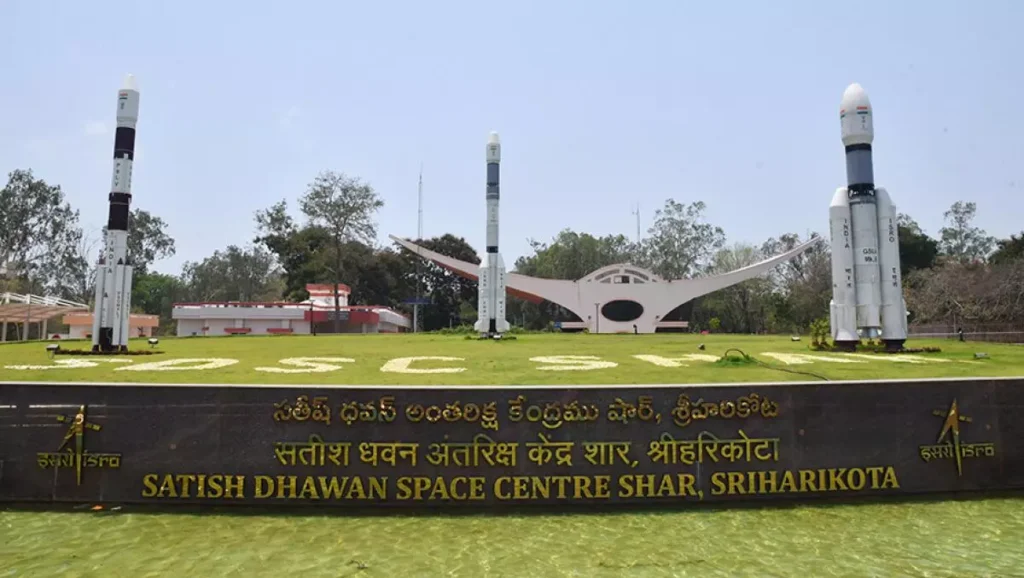
ISRO- Satish Dhawan Space Centre (SDSC)
Photo Credit : ISRO

This is the centre from where India launches most of its important space missions.

4. Laboratory for Electro-Optics Systems (LEOS)

Located in Bengaluru, LEOS developed India’s first satellite sensors.
It designs attitude sensors, optical systems, meteorological payloads, and instruments used in various ISRO missions. 
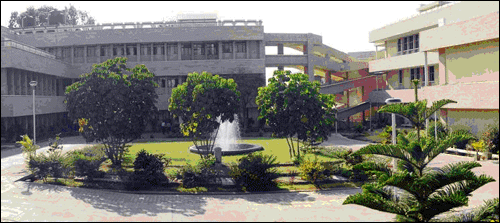
ISRO-Laboratory for Electro-Optics Systems (LEOS)
Photo Credit : ISRO

5. Liquid Propulsion Systems Centre (LPSC)

With centres in Valiamala and Bengaluru, LPSC works on liquid propulsion, cryogenic engines, and fuels used in rocket stages for PSLV, GSLV, and human spaceflight missions. 
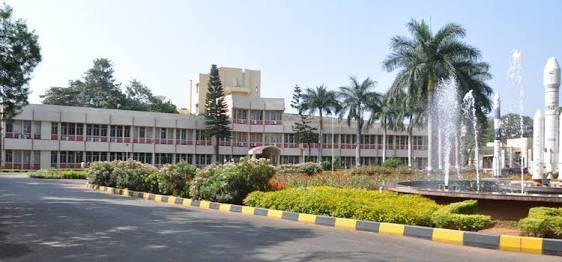
ISRO-Laboratory for Electro-Optics Systems (LEOS)
Photo Credit : ISRO

6. Space Applications Centre (SAC)

Ahmedabad’s Space Applications Centre (SAC) focuses on space applications, payload development, optical sensors, GIS tools, microwave systems, and Earth observation technologies.

It develops important applications used in agriculture, climate studies, oceanography, and disaster management.
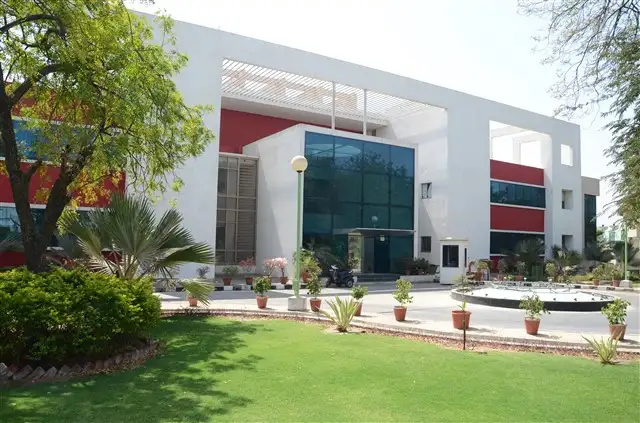
ISRO-Space Applications Centre (SAC)
Photo Credit : ISRO

7. National Remote Sensing Centre (NRSC)

Located in Hyderabad, National Remote Sensing Centre (NRSC)  handles remote sensing data collection, processing, and dissemination.

It provides important Indian satellite data and supports national programmes, disaster monitoring, and environmental studies.
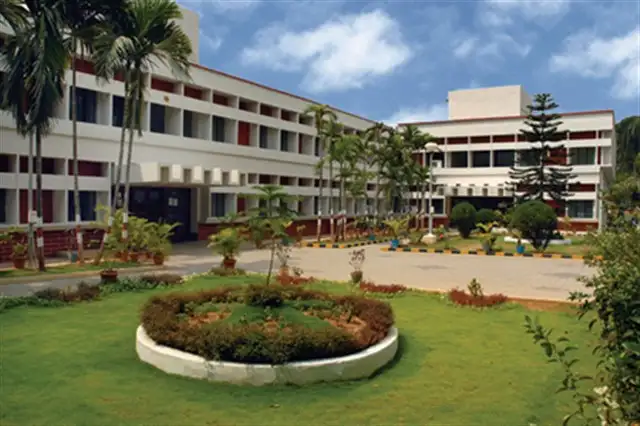
ISRO-National Remote Sensing Centre (NRSC)
Photo Credit : ISRO

8. Master Control Facility (MCF)

With facilities in Hassan and Bhopal, Master Control Facility (MCF) manages India’s geostationary satellites — from first orbit raising to daily health checks and on-orbit operations.
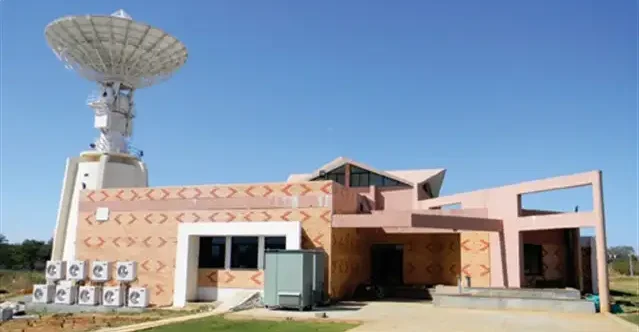
ISRO - Master Control Facility (MCF)
Photo Credit : ISRO

9. ISRO Telemetry, Tracking and Command Network (ISTRAC)

ISTRAC in Bengaluru monitors all operational satellites and supports rocket launch tracking, communication, and preliminary orbital calculations.

It is essential for human, planetary, and interplanetary missions.
ISRO - ISRO Telemetry, Tracking and Command Network (ISTRAC)
Photo Credit : ISRO

Towards, these objectives, ISTRAC has established a network of ground stations at Bengaluru, Lucknow, Mauritius, Sriharikota, Port Blair, Thiruvananthapuram, Brunei, Biak (Indonesia) and the Deep Space Network Stations.

10. ISRO Propulsion Complex (IPRC)

Located at Mahendragiri, ISRO Propulsion Complex (IPRC) handles testing of cryogenic engines, upper-stage rocket engines, and high-altitude simulations.
It is critical for the development of flight-ready propulsion systems.
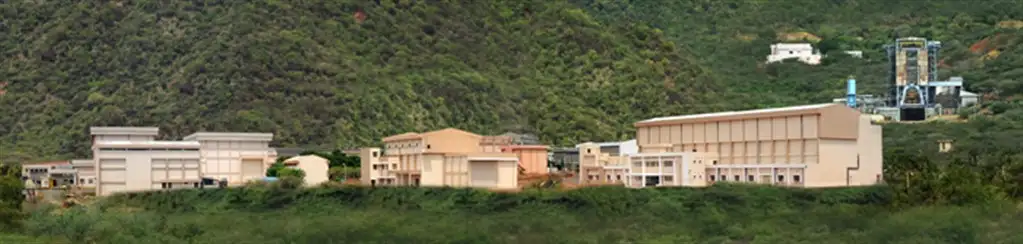
ISRO-ISRO Propulsion Complex (IPRC)
Photo Credit : ISRO

11. ISRO Inertial Systems Unit (IISU)

Based in Thiruvananthapuram, IISU develops inertial navigation systems, gyro packages, actuators, and other motion-control technologies for rockets and satellites.
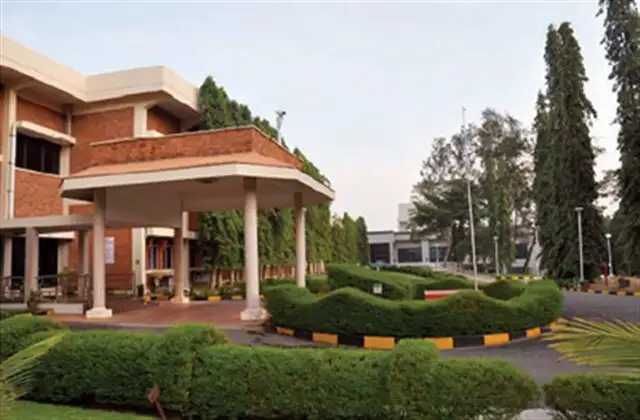
ISRO-ISRO Inertial Systems Unit (IISU)
Photo Credit : ISRO

12. Indian Institute of Remote Sensing (IIRS)

Located in Dehradun, Indian Institute of Remote Sensing (IIRS) offers education and training in remote sensing and geo-informatics.
It also supports UN-affiliated space education programmes for Asia-Pacific countries. 
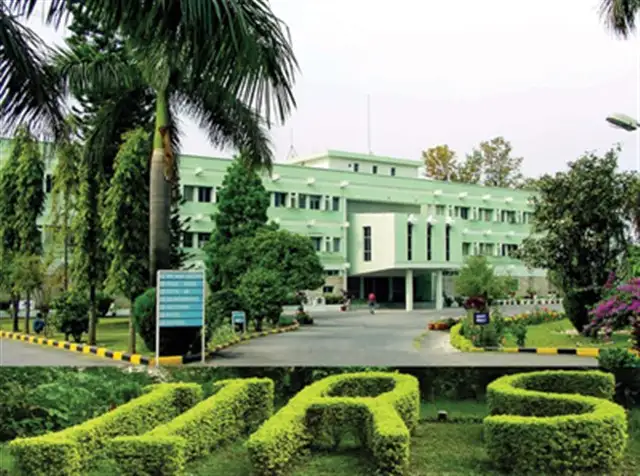
ISRO-Indian Institute of Remote Sensing (IIRS)
Photo Credit : ISRO

13. Human Space Flight Centre (HSFC)

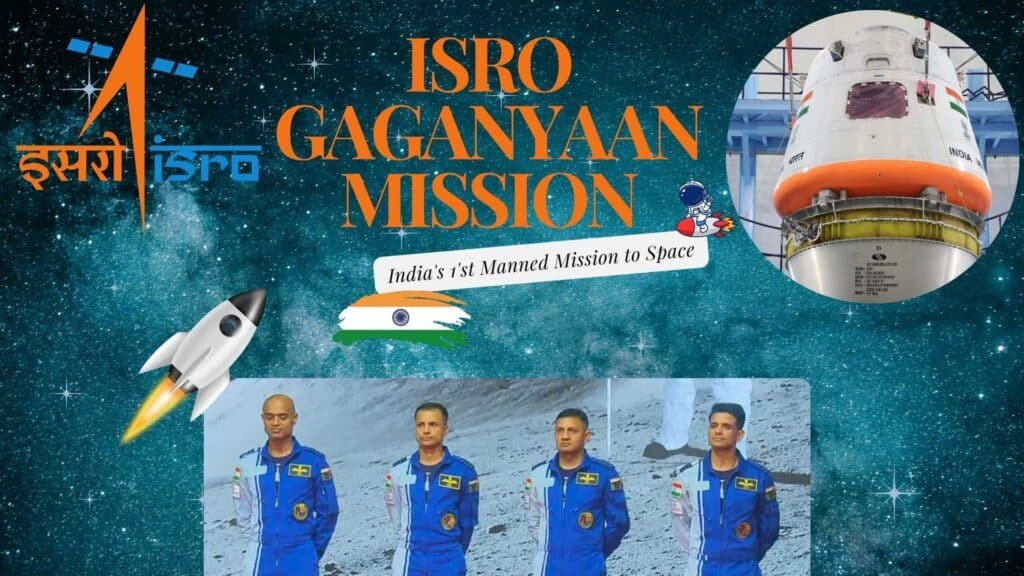
HSFC in Bengaluru is the core human spaceflight centre responsible for the Gaganyaan mission, India’s first manned space mission.

It manages astronaut training, crew module design, life-support systems, and mission planning.
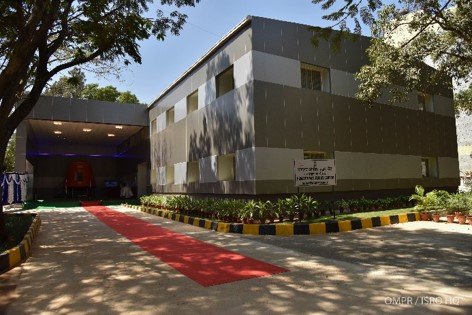
ISRO - Human Space Flight Centre (HSFC)
Photo Credit : ISRO

ISRO’s Extraordinary Achievements

ISRO space Centers in India have orchestrated numerous historic missions, showcasing India’s competence in space exploration. Let’s revisit some of the crowning achievements.

Mangalyaan Mission

Mars Orbiter Mission (MOM), India’s first interplanetary mission to planet Mars and ISRO has become the fourth space agency to successfully send a spacecraft to Mars orbit.

Chandrayaan Missions

Explore the lunar landscapes through the eyes of Chandrayaan-1 and Chandrayaan-2, shedding light on India’s strides in lunar exploration. Chandrayaan-3 is a follow-on mission to Chandrayaan-2 to demonstrated end-to-end capability in safe landing and roving on the lunar surface.

Aditya-L1 Mission

Aditya in Sanskrit means the Sun. L1 here refers to Lagrange Point 1 of the Sun-Earth system. Aditya-L1 mission explore the sun’s mysteries, aimed at studying the sun and its impact on Earth’s climate and environment.

NASA-ISRO SAR (NISAR) Satellite

NASA-ISRO SAR (NISAR) is a Low Earth Orbit (LEO) observatory being jointly developed by NASA and ISRO provide data on natural disasters, climate, ground movement, and more.

ISRO’s Vision for the Future

ISRO’s journey doesn’t end with past glories; it’s a continuous odyssey toward greater accomplishments. Witness the ambitious vision and upcoming projects that ISRO has set its sights on.

Gaganyaan Mission

Step into the future as we discuss ISRO’s mission to send Indian astronauts into space, a milestone that will redefine India’s position in human spaceflight.

Gaganyaan project envisages demonstration of human spaceflight capability by launching crew of 3 members to an orbit of 400 km for a 3 days mission and bring them back safely to earth, by landing in Indian sea waters.

Bharatiya Antariksh Station by 2035

ISRO is working towards setting up India’s first space station, Bharatiya Antariksh Station, by 2035. The station will be assembled in a phased manner and a prospective roadmap is being created for the realisation of different modules and their launches.

Indian astronauts to the Moon by 2040

The Indian Space Research Organisation (ISRO) is planning to send Indian astronauts to the moon for the first time by 2040, its chairman S Somanath said in an article.

Conclusion

The total list of ISRO space centres in India reflects the country’s unmatched progress in space research, technology, rocket engineering, nuclear-science applications (peaceful), satellite systems, and human spaceflight. These centres are not only important for India but also for the advancement of global space science.

Frequently Asked Questions (FAQs)

This FAQ section is designed to provide quick and clear answers to the most common inquiries we receive. We encourage you to click on a question to find the information you need. If you can’t find an answer here, please don’t hesitate to visit our Contact Us page for further assistance.

How many space centers in India ?

India operates approximately 21 major space research centers under ISRO for satellite development, launches, and research.​

  • These ISRO space centers span launch vehicles, remote sensing, propulsion, and more across the country.

India has three primary rocket launching centers for orbital and sounding rocket missions.​

    • Vikram Sarabhai Space Centre (VSSC), Thumba, Kerala: Equatorial launches and rocket development.
    • Satish Dhawan Space Centre (SDSC), Sriharikota, Andhra Pradesh: Main satellite launch site.
    • Dr. Abdul Kalam Island, Odisha: Testing and missile launches.

Vikram Sarabhai founded ISRO and is known as the father of India’s space program.

  • He established INCOSPAR in 1962, leading to ISRO’s formation in 1969.

ISRO headquarters is at Antariksh Bhavan, New BEL Road, Bengaluru, Karnataka.

Aryabhata was ISRO’s first satellite mission, launched April 19, 1975, from the Soviet Union.​

  • It studied X-ray astronomy, solar physics, and aeronomy.

Having any queries? – Do reach us at info@scivoyage.com

Leave a Comment

Your email address will not be published. Required fields are marked *

Scroll to Top