Introduction
It is easy to forget that our solar system is just one of many in the Milky Way Galaxy when you look at a drawing or a beautiful picture of it in a book.
Astronomers now know that many other stars have planets, which means that there are many more solar systems in our galaxy and beyond.
This guide will teach you what a solar system is, how the Milky Way is put together, and how scientists figure out how many solar systems are in a galaxy.
What is a Solar System?
Definition of a Solar System
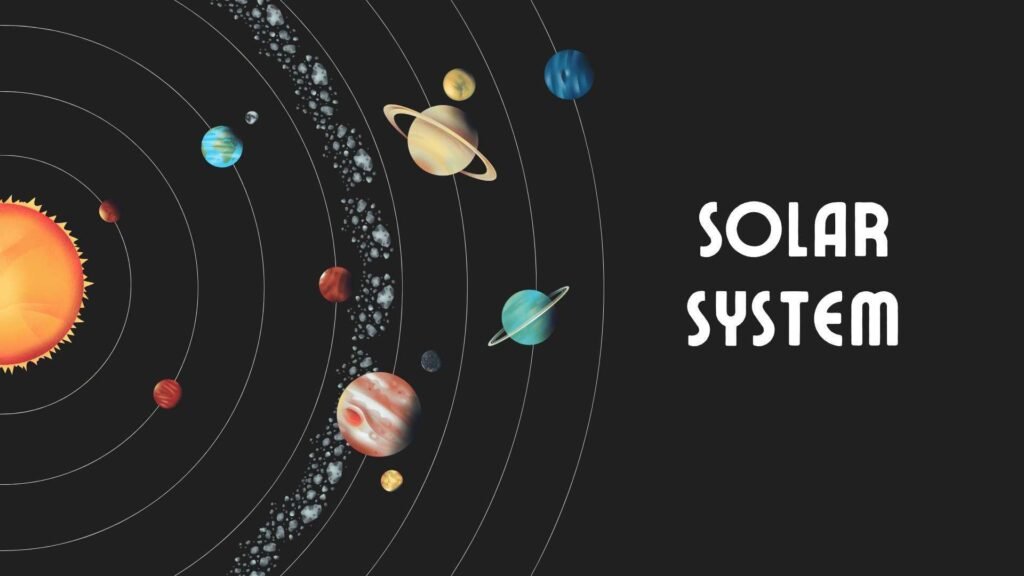
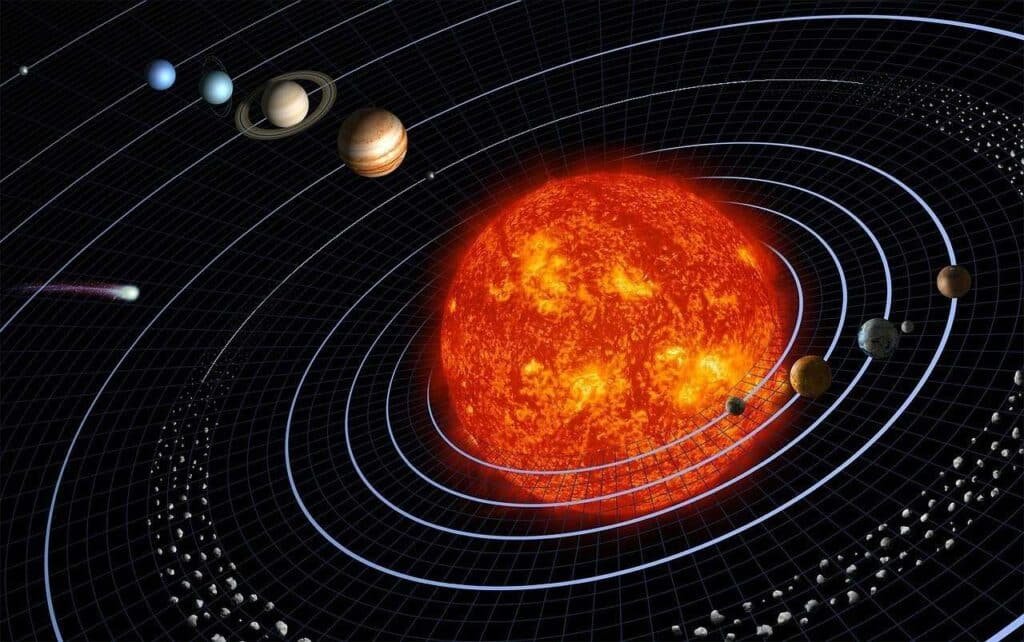
The Sun is located at the center of our solar system, which includes eight planets and their moons, five dwarf planets, and thousands of asteroids and comets. Gravity keeps this entire system bound together. About 4.6 billion years ago, a massive cloud of gas and dust collapsed under its own gravity.
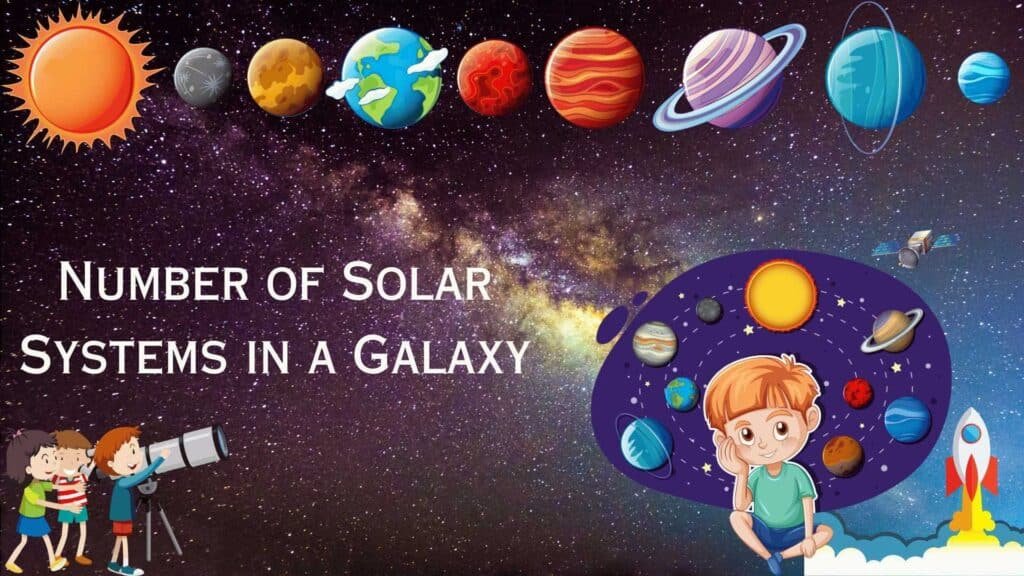
This event created the Sun and a leftover disk of material from which the planets formed. In order from the Sun, the eight major planets are Mercury, Venus, Earth, Mars, Jupiter, Saturn, Uranus, and Neptune. The Sun’s enormous gravity drags everything in the solar system, including asteroids and comets, into a curved course (or orbit) around it.
Components of a Solar System
- Star: The central body, like our Sun, that emits light and heat.
- Planets: Large bodies that orbit the star. Our eight planets follow elliptical paths around the Sun.
- Moons: They are smaller bodies that orbit planets. For example, our Moon orbits Earth, and Ganymede, the biggest satellite in the solar system, orbits Jupiter.
- Asteroids and Comets: These are rocky and icy remnants that also move around the star.
Key Facts: Solar Planets and Features
- The largest planet is Jupiter.
- The smallest planet is Mercury.
- The hottest planet is Venus due to its dense carbon dioxide atmosphere.
- The coldest planet is Uranus.
- The “Red Planet” is Mars, famous for its iron oxide surface.
- Mars also hosts the solar system’s tallest mountain—Olympus Mons.
- Earth is the “Blue Planet” because of its oceans.
Dwarf Planets and Moons
- Pluto, once classified as the ninth planet, is now recognized as a dwarf planet.
- The biggest moon in our solar system is Ganymede (orbits Jupiter), followed by Titan (orbits Saturn).
- Some planets, like Mercury and Venus, lack moons, while Jupiter and Saturn have dozens.
Solar System Pictures, Images, and Real Photos
- NASA, science textbooks, and reliable websites offer high-definition (HD) solar system photos and solar system images for class projects.
- 3D solar system models and solar system videos make concepts interactive for school projects and fun learning.
- Use both real and artistic renderings for educational purposes, ensuring accuracy and creativity.
Solar System in Different Languages
- “Solar system in Hindi” – सौरमंडल (“Saurmandal”)
- “Solar system in Tamil” – சூரிய குடும்பம் (“Sooriya Kudumbam”)
- “Solar system in Malayalam” – സോളാർ സിസ്റ്റം (“Solar System”)
- “Solar system in Telugu” – సౌరమండలం (“Souramandalam”)
Include multilingual explanations or tables for readers from diverse regions.
Historical and Fun Science Facts
- The Sun provides 99.85% of the solar system’s total mass.
- All planets revolve in elliptical orbits, not perfect circles.
- Jupiter and Saturn are gas giants with no solid surface.
- Key figures in understanding the structure of the solar system were Nicolaus Copernicus (heliocentric model) and Isaac Newton (gravity).
Also read – Top 15 Space Agencies in the World for 2024
The Milky Way Galaxy: Our Cosmic Neighborhood
The Milky Way is a spiral galaxy that contains our Solar System. It is our cosmic home, housing billions of stars, many of which likely have their own solar systems.
Our Solar System is on the inside edge of one of the spiral arms, which is far from the crowded galactic center.
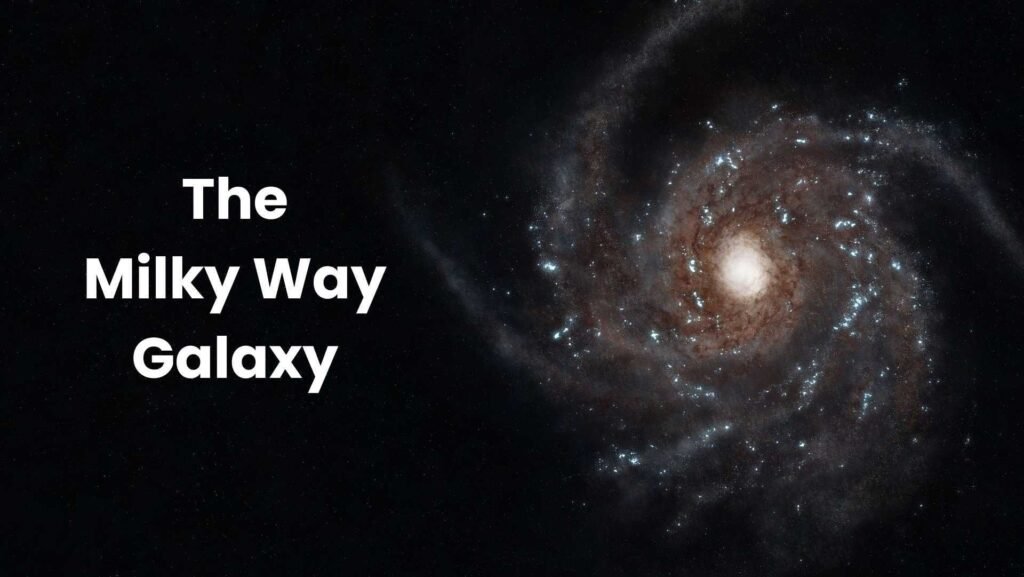
Important parts of the Milky Way Galaxy:
- Galactic Center: A dense region with a supermassive black hole and many stars.
- Spiral Arms: Long, curved lanes of gas, dust and stars where new stars and solar systems form.
- Halo: A roughly spherical region of old stars and dark matter surrounding the disk of the galaxy.
Estimating the Number of Solar Systems in the Milky Way Galaxy
It’s not as easy to count solar systems as it is to count planets in our own. Telescopes show exoplanetary systems as tiny points of light because they are so far away.
Instead of looking at pictures of the solar system directly, astronomers use smart methods to find other planetary systems.
Methods of Estimation
- Transit method: Watching a star dim slightly when a planet passes in front of it.
- Radial velocity method: Measuring tiny wobbles in a star’s motion caused by orbiting planets.
- Direct imaging and microlensing: In special cases, taking pictures or using gravity as a lens to detect planets.
How Many Solar Systems Are There in the Milky Way?
So far, astronomers have confirmed the existence of thousands of exoplanets orbiting other stars in over 4,000 planetary systems.
This represents the few thousand solar systems we currently know about in the Milky Way. Scientists believe there may be tens of billions, if not more, solar systems waiting to be discovered, owing to the Milky Way’s estimated hundreds of billions of stars.
Key Points:
- Our planetary system is the only one officially designated as “the Solar System,” however each star with planets might be considered its own solar system.
- Current data only show the solar systems that we have discovered; many more are invisible to current sensors.
- When pupils enquire, “How many solar systems are there?” The honest answer is: “We know a few thousand so far, but there may be billions in our galaxy alone.”
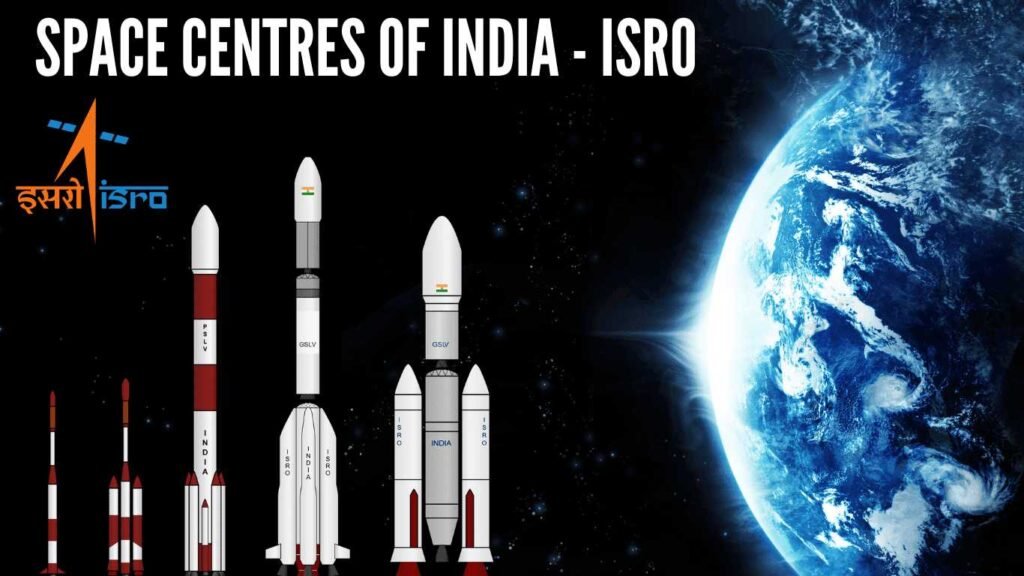
Also read –List of ISRO Space Centers in India
Notable Solar Systems in the Milky Way Galaxy
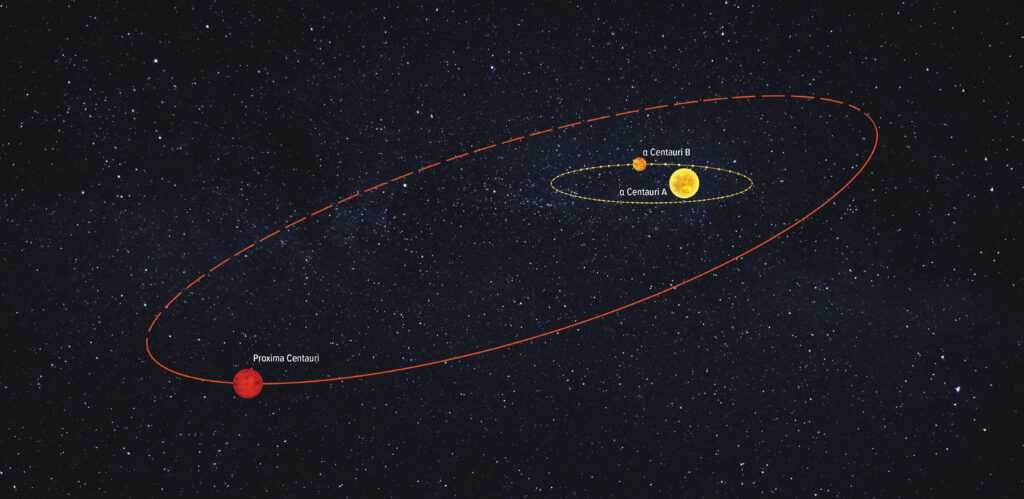
Proxima Centauri System:
Our closest known planetary system, which is a little over 4 light-years away, includes at least one planet, Proxima b, in the star’s habitable zone.
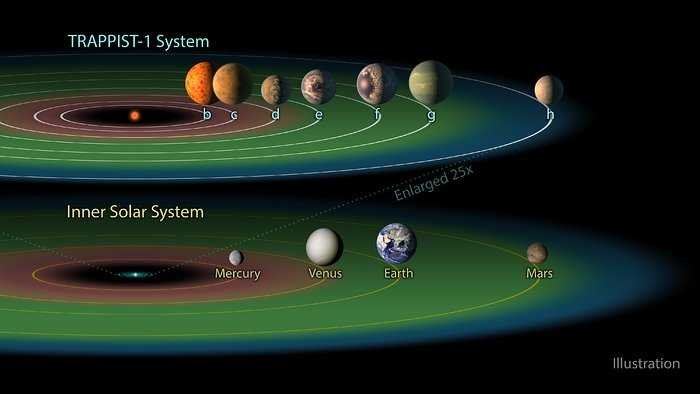
TRAPPIST-1 System:
A small system with seven planets the size of Earth, three of which are in the habitable zone.
Also read – Top 5 Private Space Companies in India
The Future of Solar System Exploration
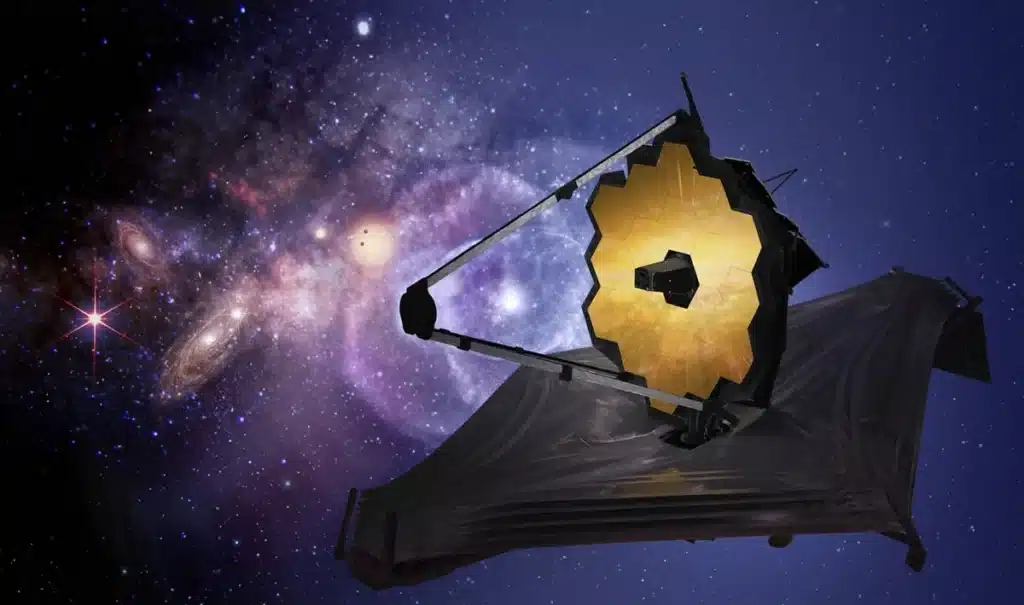
James Webb Space Telescope (JWST):
Scheduled to provide unprecedented detail of distant solar systems, the JWST will enable scientists to study the atmospheres of exoplanets, analyze their compositions, and search for signs of habitability or even life.
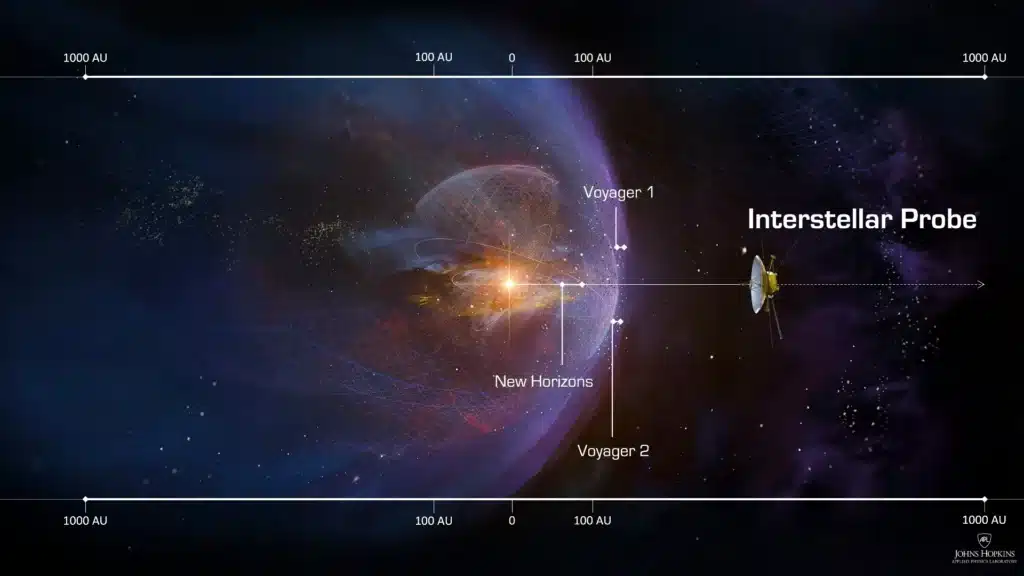
Interstellar Probes:
Concepts like Breakthrough Starshot aim to send microprobes to nearby solar systems like Proxima Centauri. These probes would travel at a fraction of the speed of light, potentially providing direct data from other solar systems within a few decades.
By continuing to explore and understand our galaxy’s solar systems, we not only expand our knowledge of the universe but also drive technological and scientific advancements that benefit humanity.
Also read – List of Moon Landed Countries
Conclusion
There are hundreds of billions of stars in the Milky Way Galaxy, and each one could be the sun for its own solar system. Scientists think there could be tens of billions of solar systems waiting to be found, even though we have only confirmed a few thousand so far. Every star with planets makes a solar system that is different from ours, which makes the universe a place of endless variety and mystery.
We learn more about our place in the galaxy and come up with new technologies and scientific discoveries when we look at these faraway solar systems. We are just starting to learn about our galactic neighbourhood with the help of advanced telescopes, AI, and future missions to other stars. As students, teachers, and people who are curious, we can look up at the stars and think about all the worlds that are out there. Each one is a new chapter in the story of the universe.
Frequently Asked Questions (FAQs)
This FAQ section is designed to provide quick and clear answers to the most common inquiries we receive. We encourage you to click on a question to find the information you need. If you can’t find an answer here, please don’t hesitate to visit our Contact Us page for further assistance.
What is the largest planet in our solar system?
Jupiter is the largest planet in our solar system. It is a gas giant made mostly of hydrogen and helium. Its diameter is about 11 times bigger than Earth, so more than 1,300 Earths could fit inside it.
Which is the smallest planet in our solar system?
Mercury is the smallest planet. It is a rocky planet, only a little bigger than our Moon. Because it is closest to the Sun, it moves very fast around it and completes one orbit in just 88 Earth days.
Which is the hottest planet in our solar system?
Venus is the hottest planet, even hotter than Mercury. It has a thick atmosphere of carbon dioxide and clouds of acid that trap heat like a blanket. This “greenhouse effect” makes its surface hot enough to melt lead.
Which is the coldest planet in the solar system?
Uranus is usually considered the coldest of the eight planets. It lies far from the Sun and has very little internal heat, so its outer layers reach extremely low temperatures, far below freezing.
Where is the tallest mountain in our solar system?
The tallest known mountain is Olympus Mons on Mars. It is a shield volcano about three times taller than Mount Everest. Because Mars has lower gravity and no plate movement, this volcano could grow very high and wide.
Which planet is called the “blue planet”?
Earth is called the blue planet. From space it looks blue because about 71% of its surface is covered by oceans.
Water and the scattering of sunlight in our atmosphere make the planet appear blue.
What is the solar system in simple words?
The solar system is the family of the Sun. The Sun is at the center, and all the planets, moons, asteroids, comets and dust move around it due to its gravity.
Our Earth is one of these planets, so the solar system is also our cosmic “address”.
What is the meaning of “solar system” in Hindi?
In Hindi, the solar system is commonly called “सौर मंडल” (saur mandal) or sometimes “सौर परिवार” (saur parivaar). “सौर” means “related to the Sun” and “मंडल” means “group” or “system”.
Who discovered the solar system?
No single person discovered the solar system, because people have watched the Sun, Moon and planets since ancient times.
However, the modern idea that the Sun is at the centre and Earth moves around it (the heliocentric model) was clearly explained by Nicolaus Copernicus in the 1500s. Later, Johannes Kepler and Galileo Galilei provided strong evidence and refined this model.
How can students draw a simple solar system diagram?
Step 1: Draw a big circle in the middle of the page for the Sun and color it yellow or orange.
Step 2: Draw eight light circles around the Sun for the orbits.
Step 3: On each orbit draw a small circle for the planet:
Mercury, Venus, Earth, Mars, Jupiter, Saturn, Uranus and Neptune in order.
Step 4: Add a ring around Saturn and light bands on Jupiter, color Earth blue‑green and Mars red.
Step 5: Label each planet and add arrows to show that they move around the Sun.
How many planets are there in our solar system and what are they?
There are eight main planets in our solar system. In order from the Sun they are:
- Mercury
- Venus
- Earth
- Mars
- Jupiter
- Saturn
- Uranus
- Neptune
Pluto is now called a dwarf planet, not a main planet.
Which is the biggest satellite in solar system ?
Ganymede is the largest natural satellite (moon) in our solar system. It orbits the planet Jupiter. Ganymede is bigger than Mercury, but it has less mass because it is mostly ice.
What is Off‑grid solar system ?
A solar power system that doesn’t need to be connected to the main electricity grid is called an off-grid solar system.
Solar panels turn sunlight into electricity, which is then stored in batteries. An inverter changes the electricity into usable AC power for home appliances, so the house can run even when the power is out or at night.
How to draw solar system ?
To make a simple diagram of the solar system for school:
- In the middle, draw a big circle for the Sun.
- Make eight light circles around it to look like orbits.
- Draw small circles for Mercury, Venus, Earth, Mars, Jupiter, Saturn, Uranus, and Neptune on each orbit, in that order.
- Put a ring around Saturn, color Earth blue-green, Mars red, and name all the planets.
Which is Blue planet in solar system ?
Earth is the blue planet in our solar system. Most of the Earth’s surface is covered in oceans, and its atmosphere scatters sunlight, which is why it looks blue from space.
Which are the Moons of the solar system ?
- There are hundreds of moons in our solar system.
- As of 2025, there are more than 400 confirmed moons around the eight planets, and there are even more around dwarf planets and asteroids.
- Saturn has the most known moons of any planet right now, with about 146. Jupiter has more than 90, Uranus has 27, Neptune has 14, Mars has 2, Earth has 1, and Mercury and Venus have none.
Having any queries? – Do reach us at info@scivoyage.com


1 thought on “Number of Solar Systems in a Galaxy”
What’s Taking place i am new to this, I stumbled upon this I have discovered It positively helpful and it has aided me out loads. I am hoping to give a contribution & aid other customers like its helped me. Good job.