Home Space Exploration Guide to Global Space Agencies With Launch Capabilities

Guide to Global Space Agencies With Launch Capabilities

Space Agencies with Launch Capabilities, Space Agencies

Table of Contents

Introduction

Nowadays, nations and private businesses actively explore space, making it more than just a fantasy. Space agencies worldwide enable experiments in zero gravity, rocket launches, and breathtaking images from far-off galaxies. Here is the list of global space agencies with launch capabilities, and their contributions to humanity’s space exploration are highlighted in this guide.

Importance of Launch Capabilities

The ability to launch spacecraft turns ideas into real missions. With launch capabilities, you can send out satellites, crewed missions, probes, telescopes, and research labs. They are necessary for scientific discovery, communication around the world, defense, and progress in technology.

Top Space Agencies With Launch Capabilities

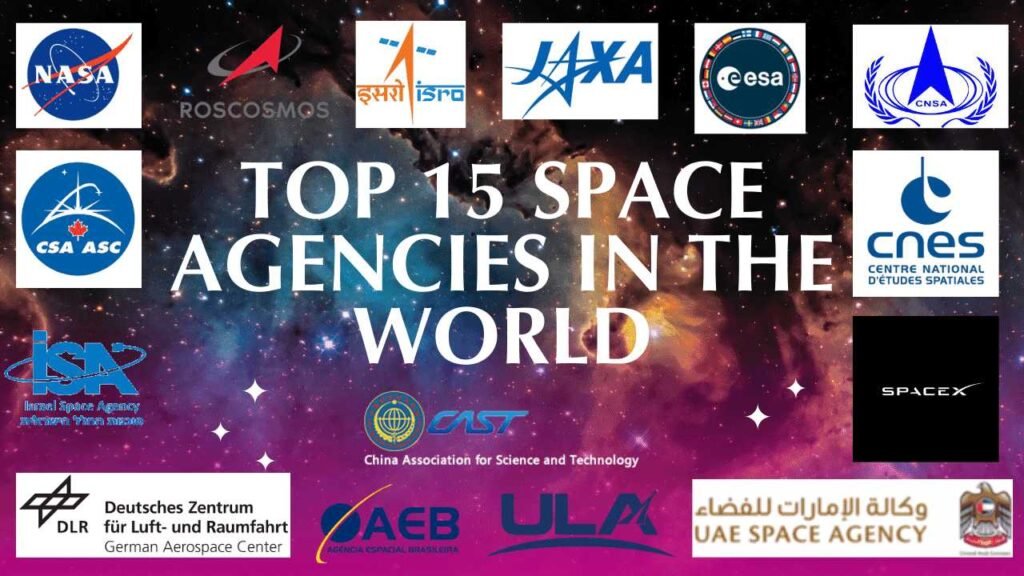
1. NASA – National Aeronautics and Space Administration (United States)
NASA

  • Established: 1958, in response to Sputnik.
  • Launch Sites: Kennedy Space Center, Cape Canaveral.
  • Key Achievements: Apollo Moon landings, Space Shuttle program, Hubble Telescope, Mars exploration.
  • Legacy: Pioneer of modern space exploration, setting benchmarks for innovation.

2. CNSA – China National Space Administration (China)

CNSA

  • Growth: Rapidly emerging as a major space power.
  • Launch Vehicles: Long March rocket family.
  • Launch Sites: Jiuquan Satellite Launch Center.
  • Key Missions: Chang’e Moon landers, Tianwen-1 Mars mission.
  • Future Plans: Crewed lunar missions and advanced interplanetary projects.

3. Roscosmos – Russian Federal Space Agency (Russia)

Roscosmos

  • Origin: Successor of the Soviet space program.
  • Historic Firsts: First satellite (Sputnik), first human in space (Yuri Gagarin).
  • Launch Site: Baikonur Cosmodrome.
  • Key Contribution: Soyuz spacecraft, reliable for crewed and uncrewed missions.

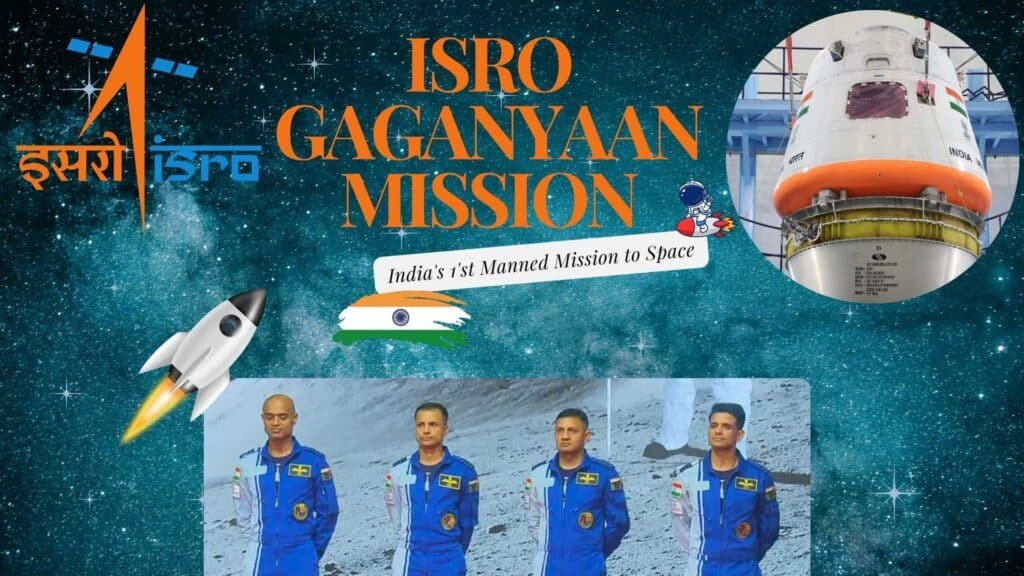
4. ISRO – Indian Space Research Organisation (India)
ISRO

  • Mission: Harness space technology for national development.

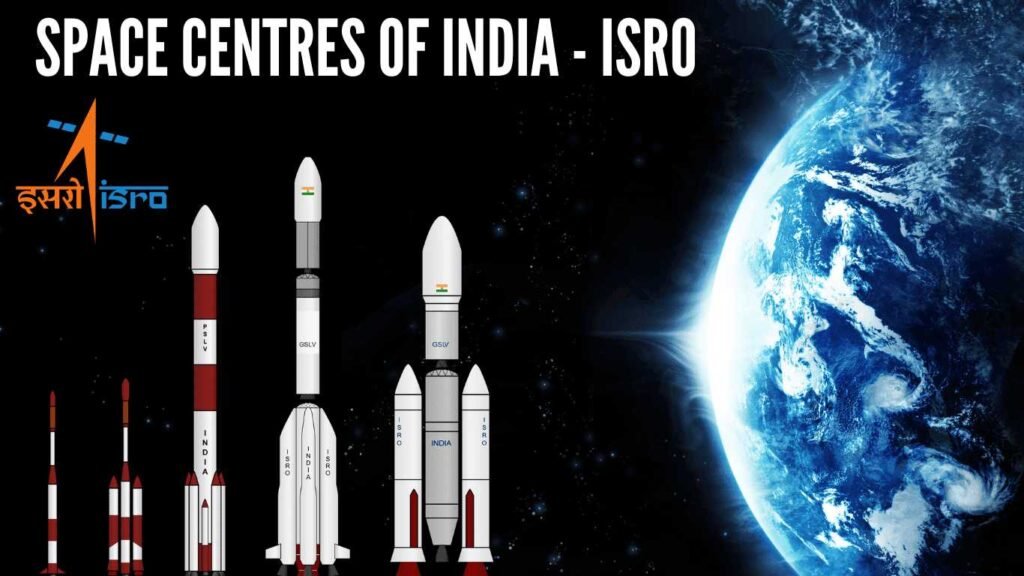
  • Launch Vehicles: PSLV (Polar Satellite Launch Vehicle), GSLV (Geosynchronous Satellite Launch Vehicle).

  • Key Achievements: Mars Orbiter Mission, Chandrayaan lunar missions, commercial satellite launches.

  • Collaborations: Works internationally with multiple space agencies.

5. ESA – European Space Agency (Europe)
ESA

  • Collaborative Agency: Represents multiple European nations.
  • Launch Vehicles: Ariane rocket family.
  • Launch Site: French Guiana.
  • Key Missions: Rosetta comet probe, Gaia observatory.
  • Significance: Demonstrates power of international cooperation in space.

6. JAXA – Japan Aerospace Exploration Agency (Japan)

JAXA

  • ocus: Space science, planetary exploration, technology development.
  • Launch Vehicles: H-IIA and H-IIB rockets.
  • Notable Missions: Hayabusa asteroid sample-return missions, Moon and asteroid exploration.
  • Impact: Contributes unique insights into solar system and technology.

7. SpaceX – Space Exploration Technologies Corporation (United States)

SPACEX

  • Private Pioneer: Founded by Elon Musk, revolutionized space travel.
  • Innovations: Reusable rockets, Starlink satellite internet.
  • Key Missions: ISS cargo & crew transport, Starship development for Mars.
  • Goal: Make humans a multi-planetary species.
The Future of Space Launch Capabilities

  • Next-Generation Vehicles: NASA’s SLS (Space Launch System), SpaceX’s Starship, reusable rockets.
  • Ambitions: Human return to the Moon, Mars colonization, interplanetary travel.
  • Trends: Advanced propulsion, miniaturized spacecraft, cost-efficient missions.

Challenges in Space Exploration

  • Environmental Impact: Rocket emissions, space debris.
  • Regulation & Safety: Global safety standards, astronaut protection, satellite security.
  • Private Sector Role: Ethical use of space, resource management, global accessibility.

Conclusion

Today, space exploration is more exciting and global than ever before. Countries and private companies can push the limits of science and technology because they can launch spacecraft. For humanity to go into space, we need to keep working together, coming up with new ideas, and focusing on sustainability. The sky is just the start; we can reach much farther.

Frequently Asked Questions (FAQs)

This FAQ section is designed to provide quick and clear answers to the most common inquiries we receive. We encourage you to click on a question to find the information you need. If you can’t find an answer here, please don’t hesitate to visit our Contact Us page for further assistance.

How many space agencies have launch capability?

Right now, there are 77 space agencies worldwide, and 16 of them can launch missions into space.

  • NASA (National Aeronautics and Space Administration)
  • ESA (European Space Agency
  • Roscosmos (Russian Federal Space Agency)
  • ISRO (Indian Space Research Organisation)
  • CNSA (China National Space Administration)

NASA
NASA is the most well-known and influential space agency in the world. It was established in 1958 by the United States government, in response to the Soviet Union’s launch of the first artificial satellite, Sputnik 1.

The European Space Agency (ESA) is an intergovernmental organization dedicated to the exploration of space, representing multiple European countries.

Summary:

  • Full Name: European Space Agency (ESA)
  • Founded: 1975
  • Members: 22 member states from Europe
  • Purpose: Coordinate Europe’s space activities, including scientific research, satellite launches, Earth observation, planetary exploration, and space technology development.
  • Key Launch Vehicles: Ariane rocket family
  • Launch Site: Guiana Space Centre, French Guiana

Notable Missions:

      • Rosetta: Comet probe mission
      • Gaia: Space observatory mapping the Milky Way
      • Mars Express: Mars exploration mission

In the United States, there are several space-related agencies and organizations, but only a few are primarily responsible for space exploration and launches. The main ones include:

  1. NASA – National Aeronautics and Space Administration: The primary government agency for civilian space exploration, science missions, and aeronautics research.
  2. NOAA – National Oceanic and Atmospheric Administration: Operates weather and environmental satellites.
  3. US Space Force (USSF): Part of the Department of Defense, manages military space operations, satellite launches, and space security.
  4. DARPA – Defense Advanced Research Projects Agency: Conducts advanced space technology research.
  5. Private companies (not agencies, but important in US space activity): SpaceX, Blue Origin, Northrop Grumman, Rocket Lab USA, etc.

Having any queries? – Do reach us at info@scivoyage.com

3 thoughts on “Guide to Global Space Agencies With Launch Capabilities”

  1. You have noted very interesting points! ps nice web site. “Enemies, as well as lovers, come to resemble each other over a period of time.” by Sydney Harris.

Leave a Comment

Your email address will not be published. Required fields are marked *

Scroll to Top